Source Spicy Gluten Hot Dog Sausage for Hotels, Restaurants, and Shops
Find 30 verified options for spicy gluten hot dog sausage suitable for hotels, food shops, and restaurants. Compare specifications, prices, and certifications from multiple suppliers to streamline your procurement process.
Key considerations
Products List


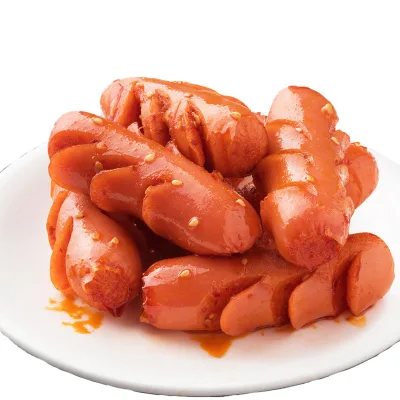


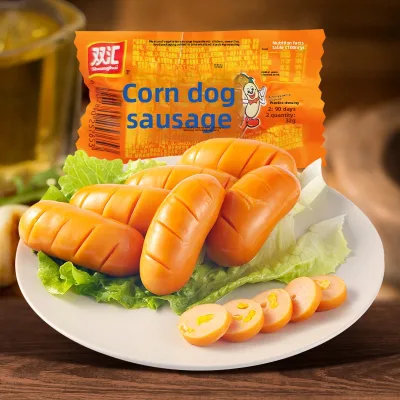
Comprehensive Sourcing Guide
Strategic Sourcing Guide for Spicy Gluten Hot Dog Sausage Procurement
The global market for plant-based protein alternatives has expanded rapidly, with spicy gluten hot dog sausages emerging as a significant category for B2B buyers in the food service and retail sectors. This guide provides a structured approach to sourcing these products, focusing on technical specifications, regulatory compliance, cost structures, and quality assurance. Buyers must navigate a complex supply chain where product formulations vary significantly, and the distinction between meat-based and plant-based variants is critical. The following sections detail the essential factors for securing a reliable supply of spicy gluten hot dog sausages while adhering to strict procurement standards.
Technical Specifications and Product Formulation
Understanding the technical attributes of the product is the first step in defining a precise procurement requirement. In the context of the available market data, product specifications often vary between meat-based and plant-based categories. For a spicy gluten hot dog sausage, the primary raw material is wheat gluten, which provides the necessary texture and protein structure. Buyers must verify the specific formulation details, as the market data indicates that product models can range from standard configurations to highly customized options.
Key technical parameters to evaluate include the physical appearance, moisture content, and nutritional profile. Observed data for similar processed meat and snack products highlights that moisture levels are a critical quality indicator, with maximum limits often set around 25.0% to ensure shelf stability and texture. For gluten-based products, the crude protein content is a primary selling point, often targeting minimums above 30% depending on the specific recipe. The "Spicy" designation implies the inclusion of specific flavoring agents, which must be clearly defined in the technical datasheet to ensure consistency across batches.
Furthermore, the processing method is a vital technical differentiator. The supply chain data notes "Thermal Processing" and "Sausage" processing as standard categories. This indicates that the product undergoes cooking or curing steps that affect the final texture and safety profile. Buyers should request detailed processing flowcharts to understand how the gluten is extruded, cooked, and seasoned. The "Automatic Grade" attribute suggests that high-volume production relies on automated lines, which can influence consistency and defect rates. When evaluating potential suppliers, request samples that match the specific model numbers or specifications relevant to your market, such as those indicated by codes like HDMH4N or SSF001, to ensure the physical dimensions and packaging align with your operational needs.
Compliance, Certification, and Regulatory Standards
Navigating the regulatory landscape is paramount for international trade in food products. The market data explicitly lists several high-value certifications, including ISO, HACCP, FDA, and BRC. While these certifications are observed in the provided context for various food items, their presence is a strong indicator of a supplier's commitment to quality management systems. For spicy gluten hot dog sausages, compliance with food safety standards is non-negotiable.
Buyers must verify that the supplier holds valid, current certifications for the specific production facility. The "ISO" certification typically refers to ISO 9001 for quality management or ISO 22000 for food safety management. The "HACCP" (Hazard Analysis and Critical Control Points) system is essential for identifying and controlling food safety hazards, particularly in processed meat and plant-based analogues. Additionally, if the target market is the United States, "FDA" registration is a mandatory requirement. For European markets, "BRC" (British Retail Consortium) certification is often a prerequisite for listing products in major retail chains.
The "prod_standard" attribute in the data, such as "528337400" or "26G10PCS30BAGS," refers to specific packaging or dimensional standards. Buyers should ensure that the supplier's packaging standards align with the regulatory requirements of the destination country, including labeling laws regarding allergens (specifically wheat/gluten) and nutritional information. The "Certification" field in the data shows a combination of standards, suggesting that top-tier suppliers often maintain a portfolio of certifications to serve diverse global markets. It is critical to request copies of these certificates and verify their validity with the issuing bodies before finalizing any contract.
Cost Drivers and Pricing Dynamics
The pricing of spicy gluten hot dog sausages is influenced by a complex interplay of raw material costs, processing complexity, and order volume. The observed price range in the market data spans from $0.06 to $99, a wide spectrum that reflects the diversity of product types, from single-unit samples to bulk industrial packaging. For B2B procurement, the unit price is rarely static and is heavily dependent on the Minimum Order Quantity (MOQ). The data indicates an MOQ range of 1 to 10,000 units, highlighting the flexibility available to buyers of different sizes.
Raw material costs, particularly wheat gluten and spice blends, are significant drivers. Fluctuations in global grain prices can directly impact the final cost. Additionally, the "Customization" attribute being "Available" suggests that bespoke formulations, such as specific spice levels or unique gluten textures, may incur additional tooling or R&D costs. The "Electric" power source and "Thermal Processing" requirements also contribute to the operational overhead of the manufacturer, which is factored into the unit price.
Buyers should analyze the cost structure beyond the unit price. Packaging materials, listed as "Plastic" or "Carton Box with Wooden Pallet" in the data, add to the total landed cost. The "prod_packing" details, such as "503024" or "Plastic Bag," indicate varying levels of packaging sophistication. Bulk orders often benefit from economies of scale, reducing the per-unit cost significantly. However, smaller orders may face higher per-unit prices due to the fixed costs of setup and logistics. It is advisable to request a tiered pricing schedule that reflects different volume brackets to optimize the budget.
Typical Applications and Market Segmentation
Spicy gluten hot dog sausages serve a diverse range of applications, from commercial food service to retail consumer goods. The market data identifies specific application sectors, including "Hotels, Food Shop, Restaurant," which are primary targets for B2B sales. These venues require products that are easy to prepare, consistent in quality, and capable of withstanding high-volume service demands. The "Easy to Clean" feature noted in the data, while often referring to equipment, also implies that the product itself should be easy to handle and prepare, reducing labor costs in the kitchen.
Beyond the food service industry, the product has potential in the retail sector, targeting health-conscious consumers and pet owners. The data mentions applications for "Lady to Keep Feet, Old Man, Adult, Children," which, while seemingly unrelated to sausages, suggests a broad demographic appeal for food products. More specifically, the data highlights "Puppy Pet, Adult Pet" and "Dog" applications for similar protein products, indicating that the market for pet snacks is robust. For human consumption, the "All Natural" and "Protein-Rich" attributes are key selling points that appeal to modern dietary trends.
The "Flavour" attribute, specifically "Beef" and "Chicken," is relevant for product positioning. While the core keyword is "spicy gluten," the flavor profile must be clearly defined to meet consumer expectations. The "Dry" appearance noted in the data suggests a specific texture that may be preferred for certain applications, such as snacks or ready-to-eat meals. Buyers should assess the suitability of the product for their specific target market, whether it is a quick-service restaurant chain, a grocery store, or a specialized health food retailer.
Supplier Evaluation and Qualification Criteria
Selecting the right supplier requires a rigorous evaluation process that goes beyond price comparisons. The "Customization" capability is a critical factor, as many buyers require tailored solutions to differentiate their products. Suppliers that offer "Automatic Grade" production lines are generally better equipped to handle large orders with consistent quality. The "Condition: New" attribute in the data suggests that suppliers should maintain modern equipment to ensure product integrity.
When evaluating suppliers, buyers should verify their production capacity and lead times. The "prod_origin" is listed as "China" and "Zhejiang, Qingdao," indicating that the majority of the supply base is located in these regions. Buyers must assess the logistical implications of sourcing from these locations, including shipping times and potential customs delays. The "Shelf Life" data, ranging from ">12 Months" to "18 Months," is a crucial metric for inventory management. Suppliers with longer shelf lives offer greater flexibility in supply chain planning.
Quality control systems are another essential evaluation criterion. The presence of certifications like "HACCP" and "ISO" indicates a structured approach to quality. Buyers should request audit reports or visit the facility to observe the production process firsthand. The "Processing" method, specifically "Sausage" and "Thermal Processing," should be inspected to ensure that the supplier adheres to strict hygiene and safety protocols. Additionally, the "Storage Method: Normal" implies that the product does not require specialized cold chain logistics, which can reduce transportation costs.
Quality Control and Long-Term Procurement Considerations
Ensuring consistent quality is a continuous process that requires active management. The "Crude Protein (Min): 36.2%" and "Crude Fat (Min): 14.3%" data points serve as benchmarks for nutritional consistency. Buyers should establish clear acceptance criteria for these parameters in their contracts. Regular third-party testing is recommended to verify that the product meets the specified nutritional and safety standards. The "Moisture (Max): 25.0%" limit is particularly important for preventing microbial growth and maintaining texture.
Long-term procurement considerations involve building a resilient supply chain. The "Customized" nature of the product means that changes in demand or formulation may require close collaboration with the supplier. Buyers should establish a communication protocol for handling quality issues, such as deviations in flavor or texture. The "prod_packing" details, such as "Carton Box with Wooden Pallet," should be reviewed to ensure they meet the sustainability goals of the buyer's organization.
Finally, the "Shelf Life" of the product must be managed carefully to minimize waste. Suppliers with a shelf life of 18 months offer a significant advantage in terms of inventory flexibility. However, buyers must also consider the "Storage Method" and ensure that their own facilities can maintain the required conditions. By focusing on these long-term factors, buyers can secure a stable supply of high-quality spicy gluten hot dog sausages that meet their operational and market demands.
Comparative Analysis of Product Attributes
To facilitate decision-making, the following table summarizes key attributes observed in the market data that are relevant to sourcing spicy gluten hot dog sausages. This comparison helps buyers understand the variability in product offerings and the specific features that may influence their selection.
| Attribute Category | Observed Value/Range | Relevance to Spicy Gluten Sausage |
|---|---|---|
| Certification | ISO, HACCP, FDA, BRC | Critical for regulatory compliance and market access. |
| Shelf Life | >12 Months to 18 Months | Determines inventory strategy and logistics planning. |
| Processing | Thermal Processing, Sausage | Defines the cooking method and texture profile. |
| Customization | Available | Allows for tailored flavors, sizes, and packaging. |
| Packaging | Plastic Bag, Carton Box, Wooden Pallet | Impacts logistics, storage, and retail presentation. |
| Origin | China, Zhejiang, Qingdao | Influences lead time, shipping costs, and tariffs. |
| Power Source | Electric | Indicates automation level and energy efficiency. |
| Nutritional (Min) | Crude Protein 36.2% | Benchmark for quality and protein content claims. |
This table serves as a reference for buyers to compare potential suppliers and ensure that the selected product meets all necessary technical and commercial requirements. By systematically evaluating these attributes, buyers can make informed decisions that align with their strategic objectives.
FAQs
What certifications do spicy gluten hot dog sausage manufacturers hold?
Suppliers often hold ISO, HACCP, FDA, and BRC certifications for food safety. These standards ensure compliance with international quality management systems and regulatory requirements for processed food products.
Can I customize the spicy gluten hot dog sausage specifications?
Yes, customization is available for product formulations and packaging. Buyers can request specific dimensions, flavors, or packaging materials like plastic bags or carton boxes with wooden pallets to meet their needs.
What is the typical shelf life for these sausage products?
The shelf life ranges from over 12 months to 18 months depending on the specific product model. This duration ensures stability during storage and distribution without requiring specialized cold chain logistics.
How does the minimum order quantity affect the pricing?
The minimum order quantity varies from 1 to 10,000 units, influencing the unit price significantly. Bulk orders often benefit from lower per-unit costs compared to smaller sample quantities due to economies of scale.
Where are the manufacturers of these sausages located?
Most manufacturers are located in China, specifically in regions like Zhejiang and Qingdao. Sourcing from these locations impacts lead times and logistics costs for international buyers.
What processing methods are used for these products?
Products undergo thermal processing and sausage processing methods to ensure safety and texture. These automated processes help maintain consistent quality and meet the automatic grade requirements for high-volume production.